For Children
How to Explain Karbala to a Child Without Frightening Them

Why this is hard for parents
Karbala is the central story of Shia Islam, and it is a story of grief. You want your child to feel its weight without being frightened by it. Parents often swing between two mistakes: saying nothing because the story is painful, or saying too much because it is important.
The better path is in between. A child needs the meaning of Karbala long before they need the details. Here is how to build it in layers.
The core you can tell any child
Here is a version that is true, short and safe for a four- or five-year-old:
Notice what is missing: the thirst, the battlefield, the wounds. Those can wait. Nothing in the paragraph above is untrue; it is simply the first layer.
What to add, by age
Ages 4 to 6: values and heroes
Give them a hero to love. Children this age respond to people, not events. Talk about Hazrat Abbas (A.S) keeping his promise, or Bibi Zainab (S.A) speaking when others were silent. If they ask what happened to Imam Hussain (A.S), a calm sentence like “He was martyred, which means he gave his life for the truth, and Allah honours the martyrs” is enough.
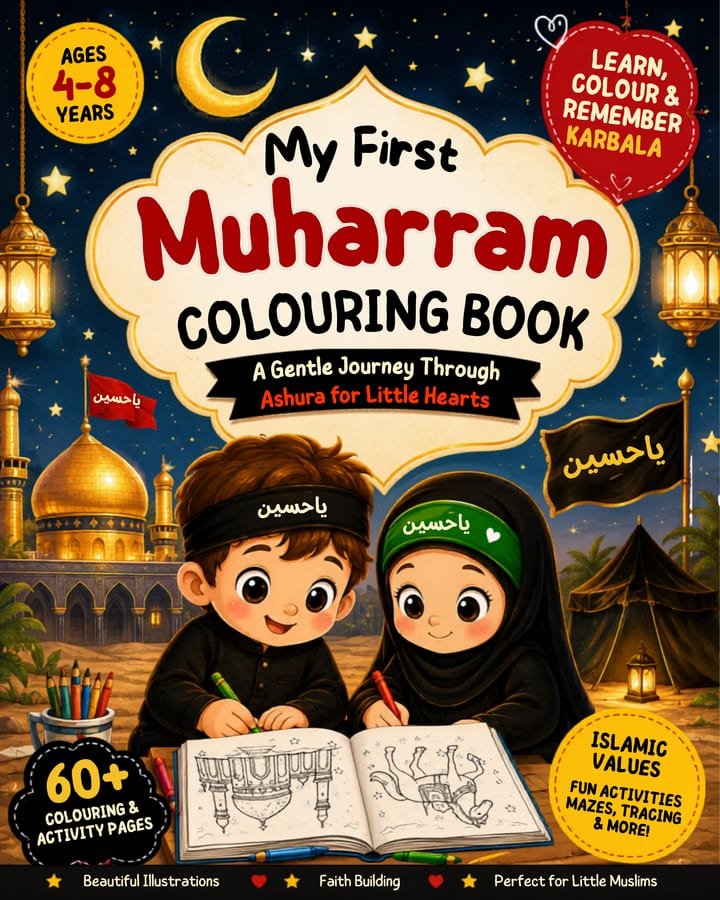 My First Muharram Colouring BookA Gentle Journey Through Ashura for Little Hearts · colouring and gentle activities · Ages 4–8
Ages 7 to 10: the story in order
Now they can follow a sequence: why Imam Hussain (A.S) left Madinah, the journey to Karbala, the days at the camp, the morning of Ashura, and the journey of the family afterwards. Tell it one chapter a night across the first ten days of Muharram. This pace matters; it lets the story settle between evenings.
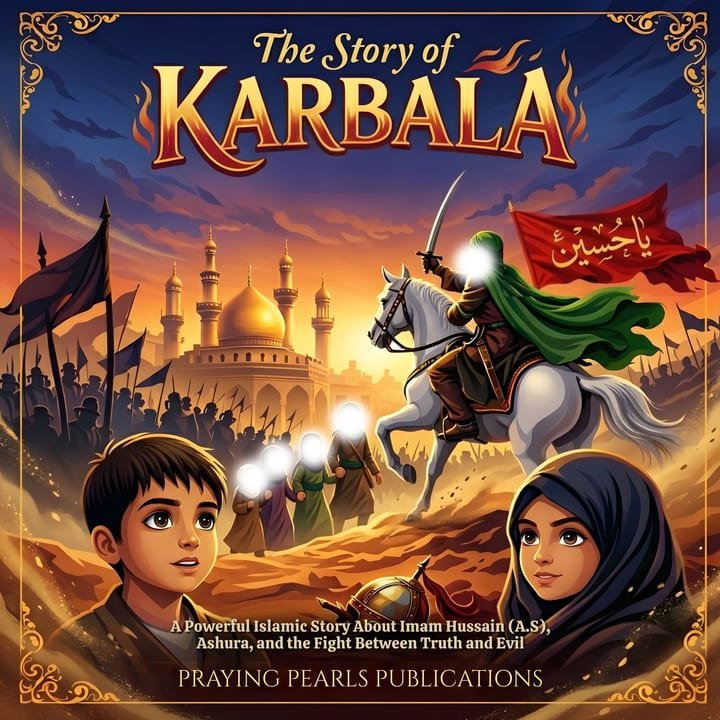 The Story of Karbala for KidsA Powerful Introduction to Imam Hussain (A.S), Ashura, and the Heroes of Truth · the best single starting point · Ages 7–14
Ages 11 to 14: meaning and responsibility
Older children can hold the harder idea that Karbala is not only something we mourn, it is something we answer. Ask them what standing for truth would look like at their school. Read about Imam Zain ul Abideen (A.S) and Bibi Zainab (S.A), who carried the message forward after the battle ended. That is often where teenagers find themselves in the story.
 Bibi Zainab (A.S)The Voice of Karbala · strength when everything is taken away · Ages 7–14
The hard question: Hazrat Ali Asghar (A.S)
Sooner or later a child will ask about the infant son of Imam Hussain (A.S), Hazrat Ali Asghar (A.S). This is the part of the story many parents dread. Tell it plainly and gently, without graphic description: that he was a baby, that he was innocent, and that what was done to him shows how far the enemy had gone from any mercy. Then come back to love. We remember him with tenderness, not horror.
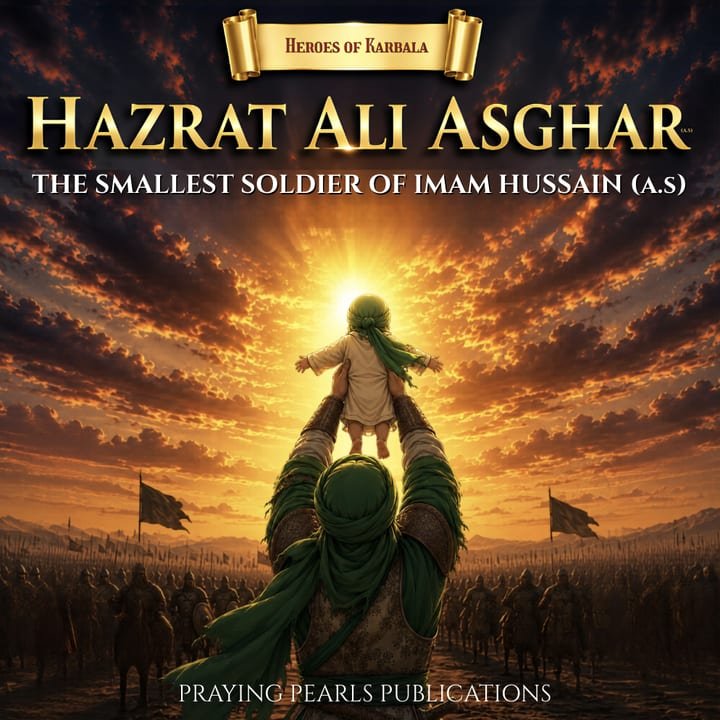 Hazrat Ali Asghar (A.S)The Smallest Soldier of Imam Hussain (A.S) · a gentle account for young readers · Ages 7–14
When your child is sad or scared
- Name the feeling. “You feel sad. That is because you love them. That’s a good sign.”
- Move from grief to action. Give them something to do: a kind act, a charity box, a drawing, a dua.
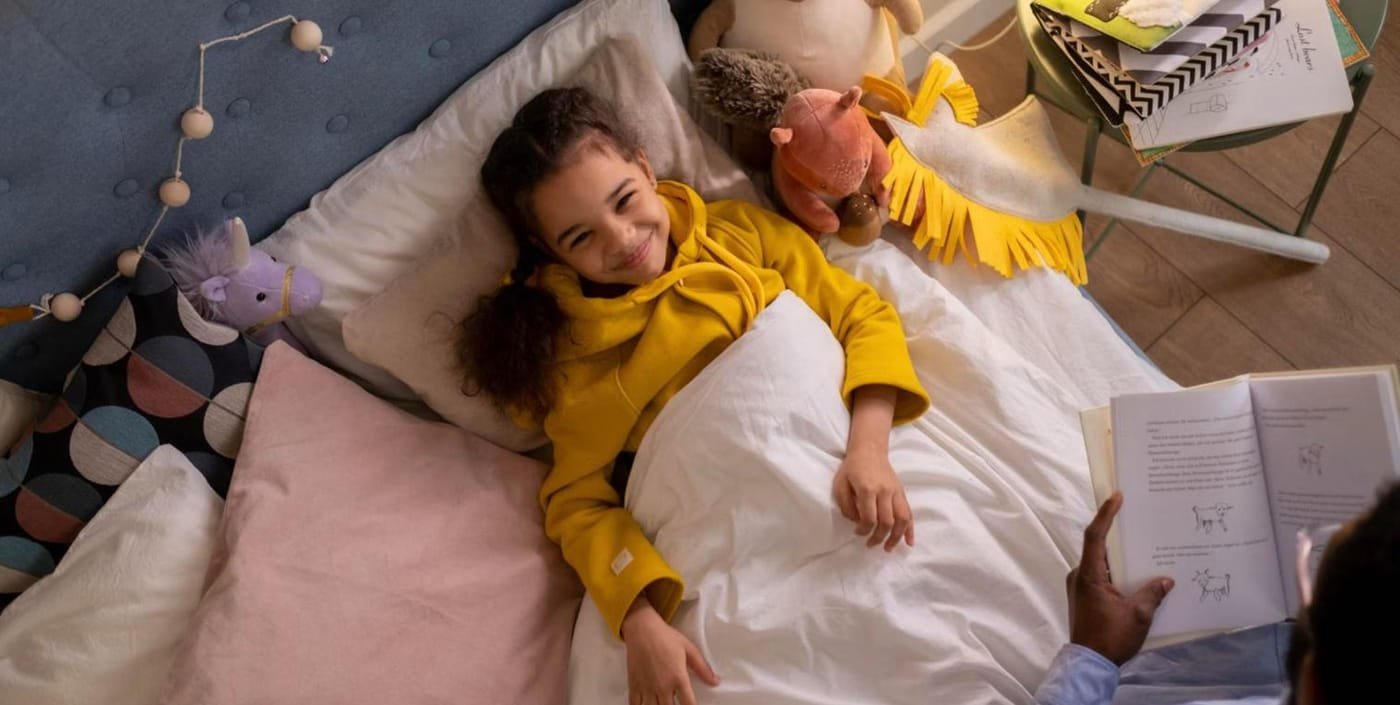
- Keep bedtime for gentler books. Read Karbala in the daytime, and let night be for lighter stories.
- Watch for repeated questions. They are usually asking, “Is it safe?” Reassure first, then explain.
Making Muharram a season, not a weight
Children who only ever hear Karbala as sadness may associate it with dread. Many families balance the mourning with doing: attending majlis together if you are able, giving to people in need, cooking for neighbours, colouring the story. These are acts of love and remembrance that a child can take part in, which is different from being asked to sit through sorrow.
For Arbaeen, which falls forty days after Ashura, there is a natural second chapter: the journey of the Prophet’s (P.B.U.H) family after Ashura, and the pilgrims, beginning with Jabir ibn Abdullah, who came to visit Imam Hussain (A.S) at Karbala. It is a good moment to revisit the story now that the child has grown a little.
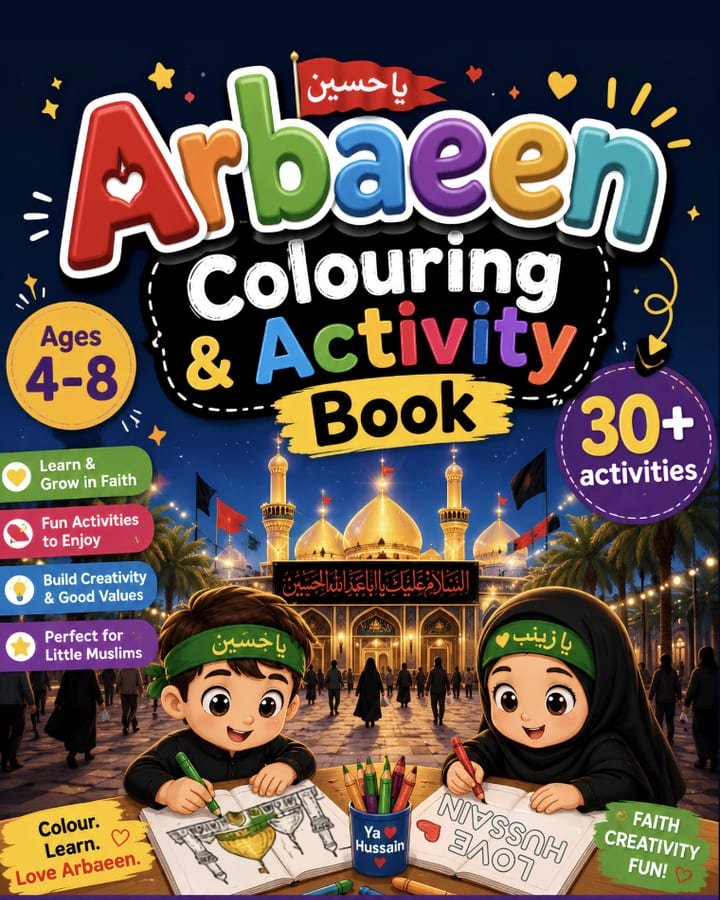 Arbaeen Colouring & Activity Book30+ Fun Activities to Learn About Imam Hussain (A.S) · for the forty days after Ashura · Ages 4–8
Common questions
At what age can I tell my child about Karbala?
Most families begin around four to six with a gentle version centred on truth, loyalty and kindness, and add detail from about seven or eight. Follow your child’s questions and your own knowledge of them.
Should I tell children that people died at Karbala?
For young children you can say that Imam Hussain (A.S) and his companions were very brave and were not treated fairly, and that we remember them with love. Offer more as they ask. Avoid graphic details at any age.
What if my child gets sad or has nightmares?
Say that it is okay to feel sad, because sadness shows love. Then turn to what Karbala teaches: bravery, patience, standing for what is right. Pause the topic for a few days if they are unsettled, and keep bedtime stories light.
What is the difference between Ashura and Arbaeen?
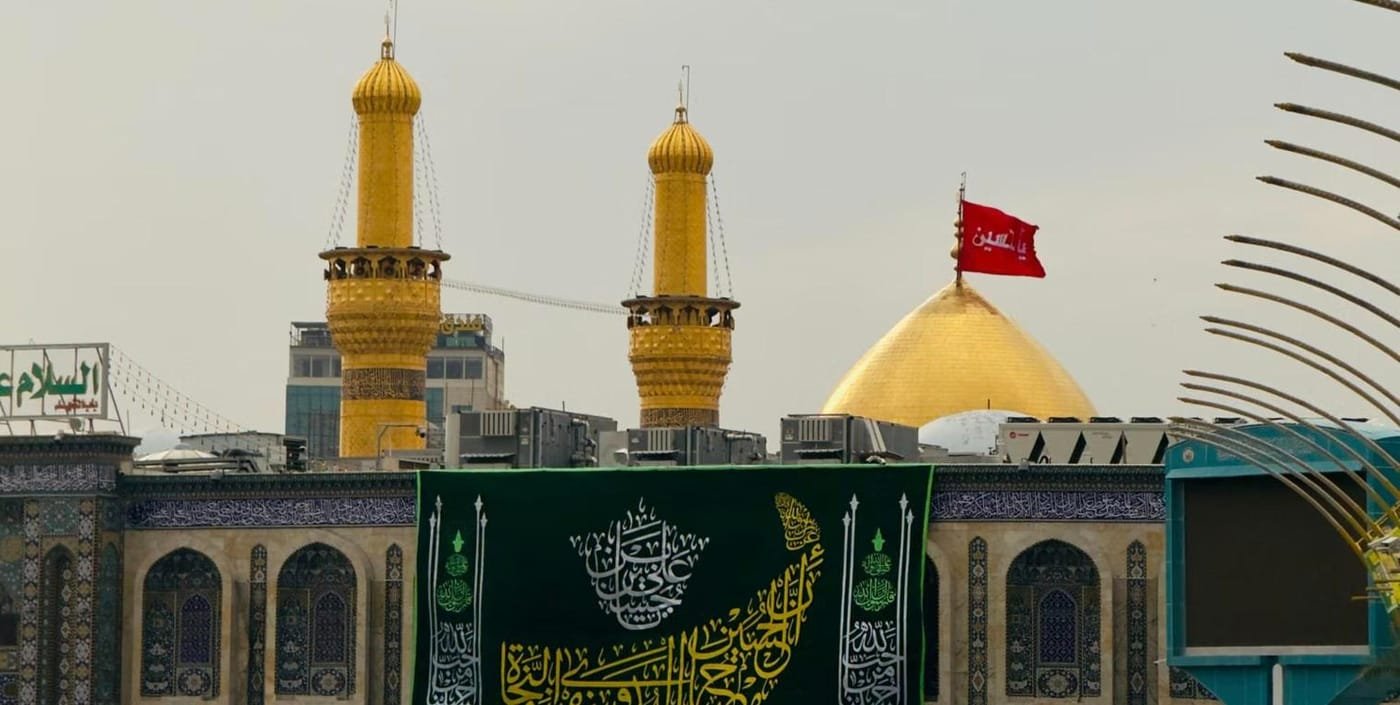
Ashura is the tenth of Muharram, the day Imam Hussain (A.S) was martyred at Karbala. Arbaeen, the twentieth of Safar, comes forty days later. Shia Muslims remember Imam Hussain (A.S) and his companions, and millions walk to his shrine in Karbala.