For Children
Who Are the Ahlul Bayt? A Simple Guide for Parents Teaching Children
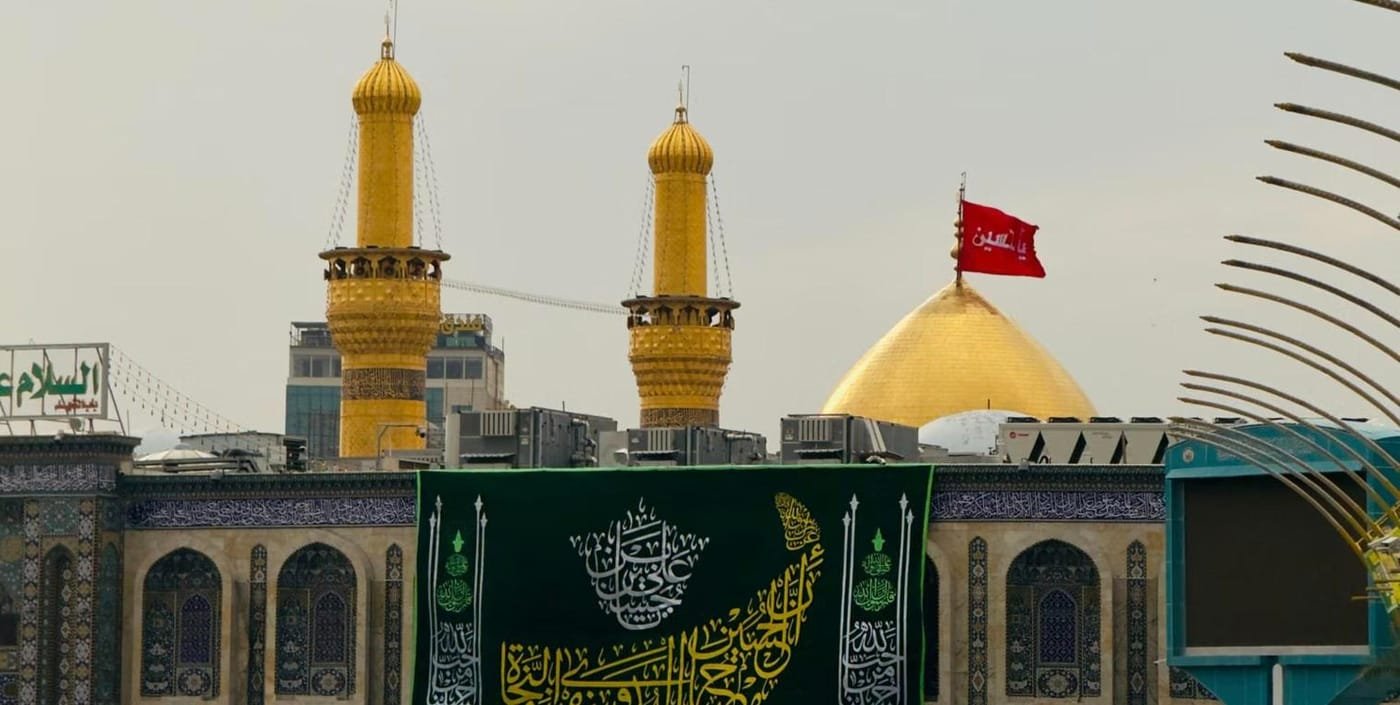
What “Ahlul Bayt” means
Ahlul Bayt is Arabic for “the people of the house.” When your child asks who they are, the simplest true answer is: they are the family of the Prophet Muhammad (P.B.U.H), and they are the people who showed us, in the way they lived, what it looks like to love Allah.
That sentence is enough for a four-year-old. Everything else in this guide is how you grow it as they do.
The Five Pure Ones: the Panjetan Pak
Most Shia homes teach five names first. These are the people whom the Prophet (P.B.U.H) gathered under his cloak, an event known as Hadith al-Kisa, and who are at the centre of Shia devotion.
- Prophet Muhammad (P.B.U.H): the last messenger of Allah, known as the Trustworthy before revelation ever came to him.
- Imam Ali (A.S): the Prophet’s (P.B.U.H) cousin and son-in-law, the First Imam, remembered for knowledge and justice.
- Lady Fatima (S.A): the Prophet’s (P.B.U.H) daughter, remembered for her patience, generosity and truthfulness.
- Imam Hassan (A.S): the Second Imam, remembered for choosing peace when peace was the harder road.
- Imam Hussain (A.S): the Third Imam, who gave everything at Karbala so that truth would not be buried.
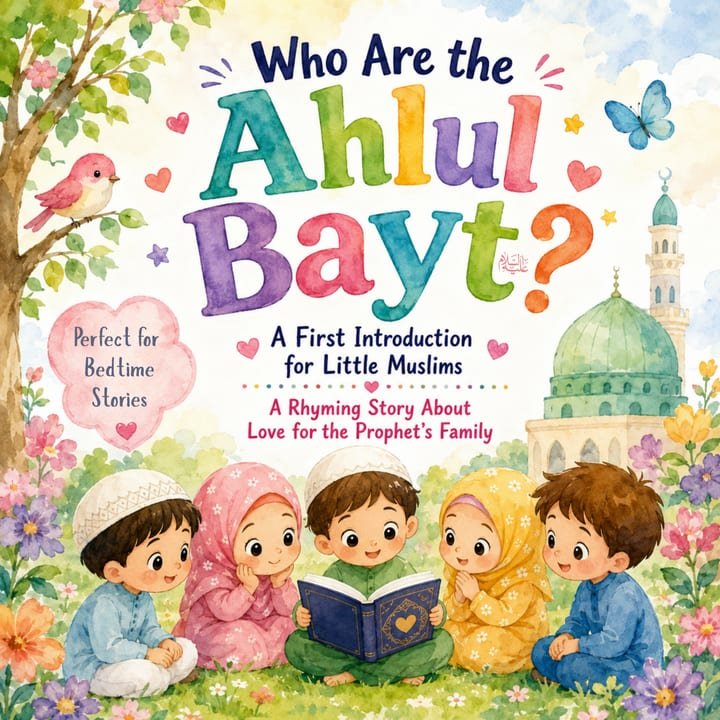 Who Are the Ahlul Bayt? (A.S)A First Introduction for Little Muslims · a rhyming first introduction · Ages 4–8
The Twelve Imams
Shia Muslims believe the Prophet (P.B.U.H) named twelve successors, the Imams, each from his family. After Imam Ali (A.S), Imam Hassan (A.S) and Imam Hussain (A.S), the line continues through Imam Hussain’s descendants:
- Imam Ali (A.S)
- Imam Hassan (A.S)
- Imam Hussain (A.S)
- Imam Zain ul Abideen (A.S)
- Imam Muhammad al-Baqir (A.S)
- Imam Jafar al-Sadiq (A.S)
- Imam Musa al-Kazim (A.S)
- Imam Ali al-Ridha (A.S)
- Imam Muhammad al-Jawad (A.S)
- Imam Ali al-Hadi (A.S)
- Imam Hassan al-Askari (A.S)
- Imam Muhammad al-Mahdi (A.S) (A.J.), the Imam of our time
Twelve names are a lot to hold. A child does better learning them as a set of people with one thing each to remember: the Gate of Knowledge, the Prince of Peace, the Healer of Hearts, the one who became Imam as a child. That is how The 12 Lights of Ahlul Bayt (A.S) is built, one Imam per book.
How to teach it, by age
Ages 3 to 5: names and love
Do not explain history. Repeat names the way you repeat the days of the week, with rhyme and rhythm, and attach each name to one warm fact. “Lady Fatima (S.A) was very kind. She shared her food with people who were hungry.” A child who loves the names at four has something solid to stand on at ten.
Ages 6 to 9: one person at a time
This is the age for stories. Pick a single figure and read about them over a week. Let your child ask the follow-up questions and answer only what was asked. Biographies written for children are useful here because they decide for you what to leave out.
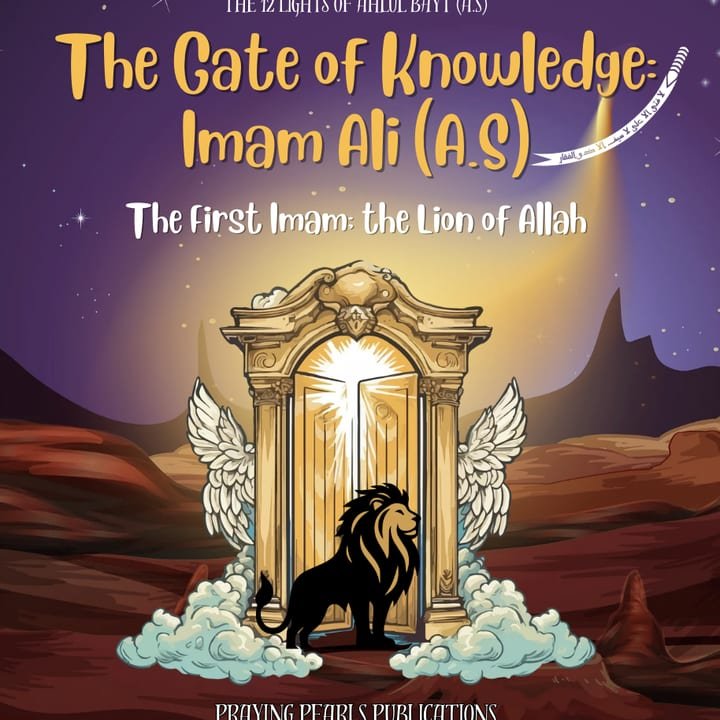 The Gate of KnowledgeImam Ali (A.S), the First Imam · volume one of the 12 Lights · Ages 7+
Ages 10 to 14: why it matters
Older children are ready for the harder question underneath the stories: why did these people choose what they chose? Connect the Imams to decisions your child actually faces, such as telling the truth when it costs them, or being patient with a sibling. Let them argue back. Questions at this age are not a sign that faith is slipping; they are how it becomes theirs.
Four habits that make it stick
- Say the names with salutations, every time. Children copy what they hear. If you say “Imam Hussain (A.S)” respectfully, so will they.
- Tie it to the calendar. Birthdays and martyrdom anniversaries of the Imams give you a reason to talk about one person at a time, all year.
- Read the same book again. Repetition is how young children learn. A book they ask for twenty times is working.
- Let them do something with their hands. Colouring, drawing and making cards turn a story into a memory.
Common questions
What does Ahlul Bayt mean?
Ahlul Bayt is Arabic for “the people of the house” or “the household.” In Shia belief it means the Prophet Muhammad (P.B.U.H) and the family members chosen and purified by Allah, as described in the Quran.
Who are the Panjetan Pak?
Panjetan Pak is Persian and Urdu for “the Five Pure Ones”: the Prophet Muhammad (P.B.U.H), Imam Ali (A.S), Lady Fatima (S.A), Imam Hassan (A.S) and Imam Hussain (A.S).
How many Imams are there in Shia Islam?
Twelve. They begin with Imam Ali (A.S) and end with Imam Muhammad al-Mahdi (A.S) (A.J.), the Imam of our time, whom Shia Muslims await.
What age should a child start learning about the Ahlul Bayt?
Rhymes and short picture stories work from about age three or four. Longer biographies suit ages seven and up. Start with love and names; leave detail for later.