Duas and Healing
How Dua-e-Mashlool Gave Me Peace Through Chronic Pain
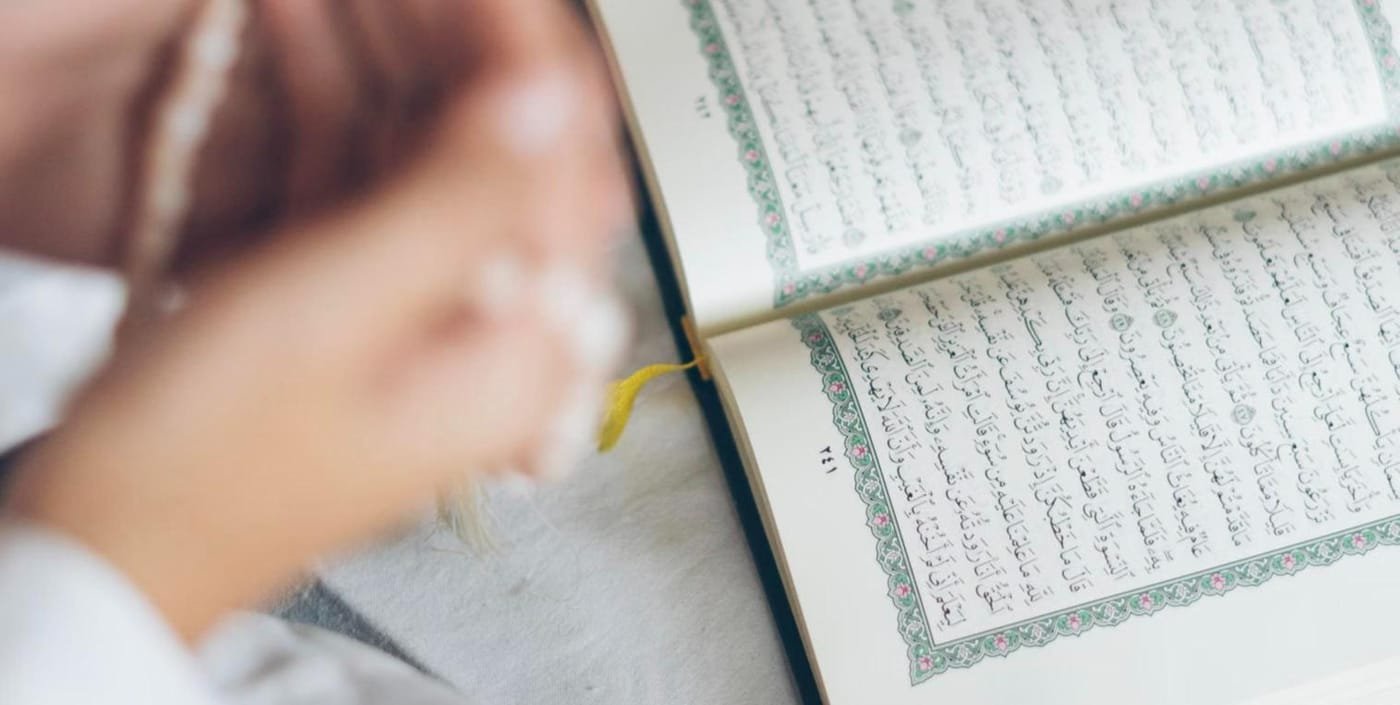
Why read this: if you live with pain that does not end, or you love someone who does, this is a true story about a way of praying that gave one of our founders something steady to hold. You do not need to share her illness to take something from it.
The pain that stayed
I am Aleena, and I co-founded Praying Pearls with Sama Anwar. Most of what I share on this site is about children and stories. This post is about something different, because it is part of my own story.
For a long time I lived with a chronic ailment, and the part I felt most was in my back. Anyone with ongoing pain knows it is not only a physical thing. It sits in the background of every plan you make. You wake up and check how it is today before you decide who you are going to be. You get tired of explaining it. You get tired of hoping, and then tired of the tiredness.
I did what you are meant to do. I looked for help, I took it seriously, and I kept going. But there was a gap that care alone did not reach, and it was not in my back. It was in the place where I talk to Allah. I wanted words for it.
How I found Dua-e-Mashlool
I came across Dua-e-Mashlool and read it first. Then I listened to it. I would ask you to try both, because they do different things. Reading it slowly lets you meet the meaning of each line. Hearing it lets the rhythm carry you when your own mind is too tired to.
What I felt was not a sudden miracle. It was quieter than that, and I trust it more because of it. The words did what a good conversation does. They did not tell me my pain was small. They put it in front of Someone who is far bigger than it, and I found I could put it down for a few minutes at a time.
That is what I mean by peace here. The pain did not vanish because I recited a dua. I was no longer carrying it by myself.
The young man it is named after
The name helps explain why it moved me. “Mashlool” describes a person with a paralysed part of the body, and the dua is named for a young man in a story that Shia sources report.
According to the account, Imam Ali (A.S) and Imam Hussain (A.S) were circling the Kaaba when they heard a young man crying. He told them that he had wasted his father’s money and had struck his father. His father had cursed him, and afterwards his hand became paralysed. He had spent years asking forgiveness. He had come to Mecca with his father, but his father had died on the way.
Imam Ali (A.S) told him that his relief was near. He taught him this supplication, which he had himself learned from the Prophet (P.B.U.H), together with the conditions for it to be answered. Imam Hussain (A.S) narrated it onward, and it reached us through books such as Muhaj al-Da’awat and Mafatih al-Jinan.
What stays with me is the shape of the story. A person who feels broken, who is ashamed and who has nowhere else to go, is not turned away. He is given words.
What is inside the dua
I will not copy the text here, because you should read it in a proper edition with the Arabic beside the English. But here is what it does.
- It calls on Allah by His Names. Over and over, it addresses Him through His Most Beautiful Names and attributes. That alone teaches you something about who you are speaking to.
- It asks through those Names. Its requests are made by some of them, and it cites verses of the Quran.
- It ends with blessings on Muhammad and his Household (A.S). The Ahlul Bayt are present at the close, as they are in every dua that matters to us.
Imam Ali (A.S) is reported to have said that the Great Name of Allah is contained within it. That is a reason to treat it with care, and to come to it with a clean heart.
How I use it, and how you might
- Start with wudu. A narration says it should not be recited without it. Do what your marja’ tells you if you have a question about the rules.
- Read before you listen. Go through the English once, line by line, so you know what you are saying to Allah.
- Then listen, and say it along. On hard days, I let a recitation play while I sit still. The sound does the carrying.
- Name your own need at the end. After the dua, I speak to Allah in plain language about what hurts today. The formal words open the door, and my own words walk through it.
- Keep going to your doctor. I want to be direct about this. Dua is not a replacement for medical care, and no one should read this and stop treatment. I see it as one more thing that is mine to do, next to the rest. I do not claim it will heal anyone, and this story is not a medical promise.
The edition we made
When Sama and I began publishing, one of the first things we wanted was a clean edition of the duas that mattered to us, with the Arabic and English on the same page and room to breathe. Dua-e-Mashlool is one of them.
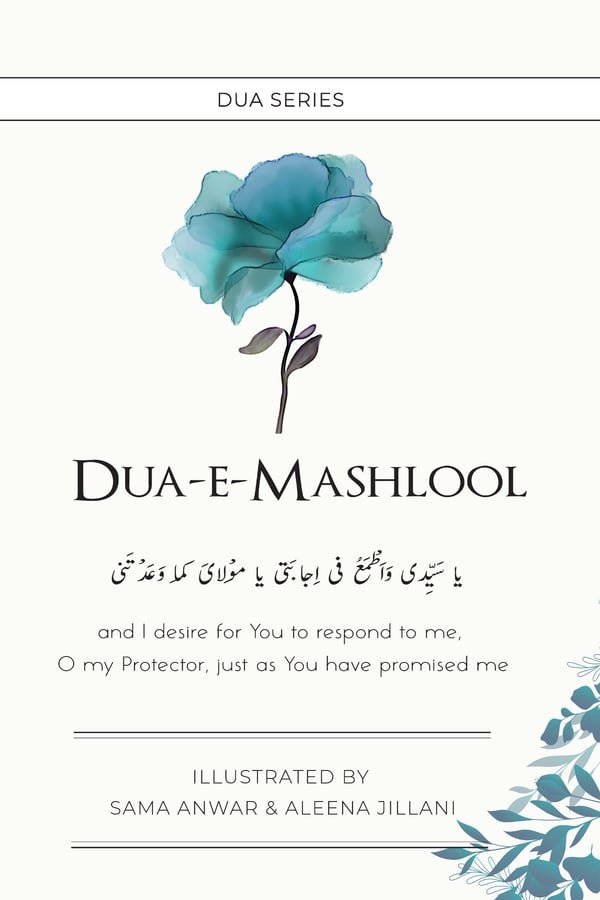 Dua-e-MashloolThe Supplication of the Paralytic Man · Arabic and English together · Adults
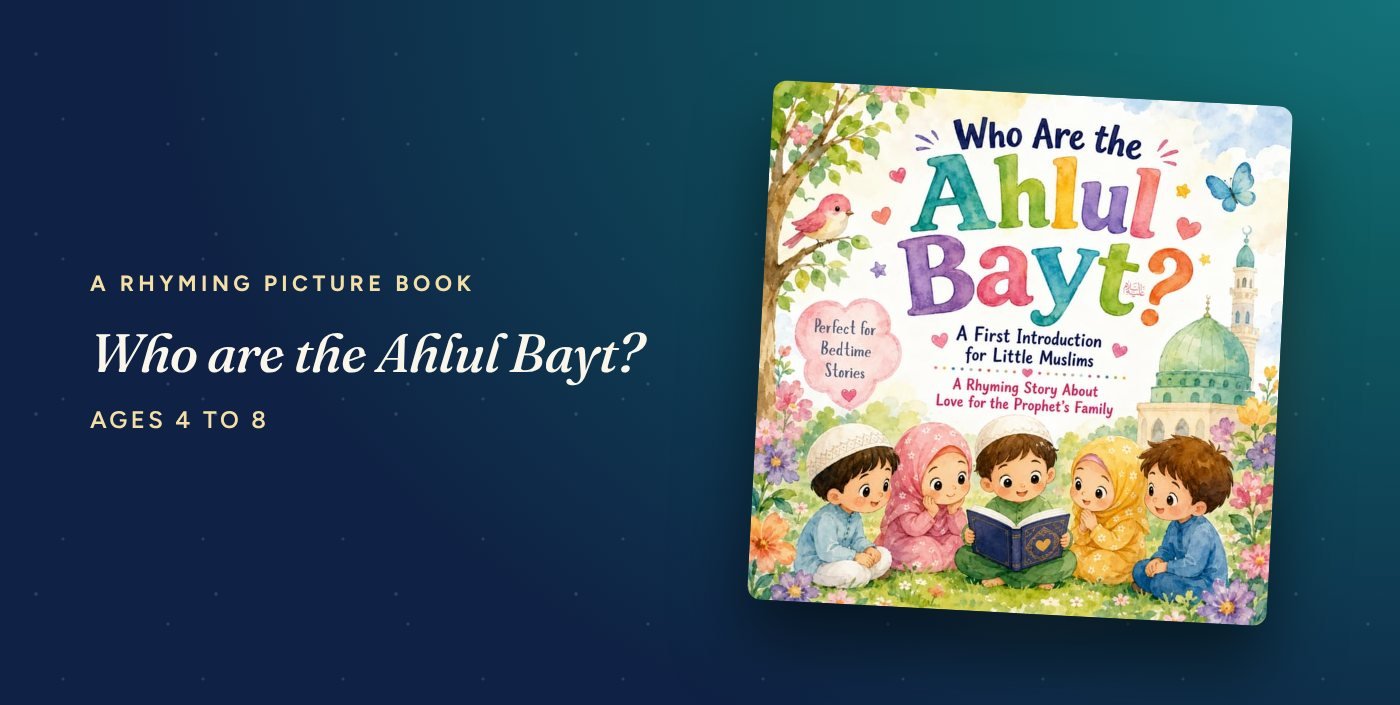
If you are reading with a child nearby, our picture books on the same theme are a gentler place to begin.
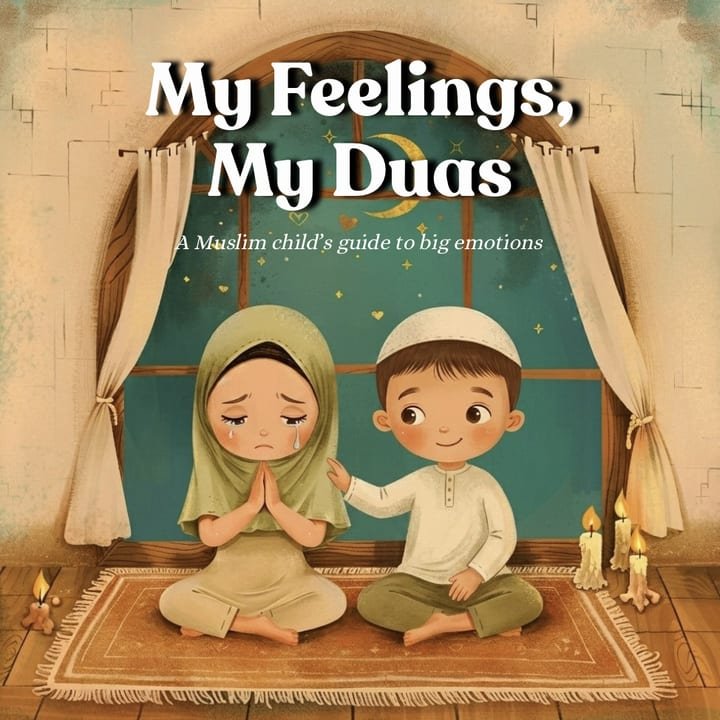 My Feelings, My DuasA Muslim Child’s Guide to Big Emotions · duas for big emotions, for children · Ages 5–9
If you are in pain right now
I will not tell you it will all make sense. I will tell you that you are allowed to bring all of it to Allah, including the tiredness, the frustration and the questions. The young man in the story did, and Imam Ali (A.S) told him his relief was near.
Read it slowly. Listen to it. Come back to it on another day. And if the pain is heavy enough that you are struggling to cope, please also speak to someone who can support you in person.
Common questions
What is Dua-e-Mashlool?
It is a supplication reported from Imam Ali (A.S), narrated by Imam Hussain (A.S). It is named after the “mashlool”, the young man with a paralysed hand to whom Imam Ali (A.S) taught it. It calls on Allah by His Names and ends with blessings on Muhammad and his family.
Where does Dua-e-Mashlool come from?
Shia sources including Sayyid ibn Tawus’s Muhaj al-Da’awat, Majlisi’s Bihar al-Anwar and Shaykh Abbas Qummi’s Mafatih al-Jinan record it. Check with a scholar or marja’ office if you want to know how the narration is graded.
Can Dua-e-Mashlool replace medical treatment?
No. Dua is worship and a source of comfort and hope. If you are in pain or unwell, keep seeing your doctor and treat dua as something you do in addition to care, never instead of it.
Do I need wudu to recite Dua-e-Mashlool?
A narration says it should not be recited without wudu. For any question about how to recite it correctly, ask your marja’s office.