Duas and Healing
Allah Forgives You: When You Feel Too Far Gone
Some of us carry something we have never said out loud. A mistake, a season, a pattern we are ashamed of. We still pray, perhaps, but we pray from a distance, certain that the door has closed behind us and that we are not the kind of person Allah forgives.
If that is you, please read this slowly. You are not too far gone.
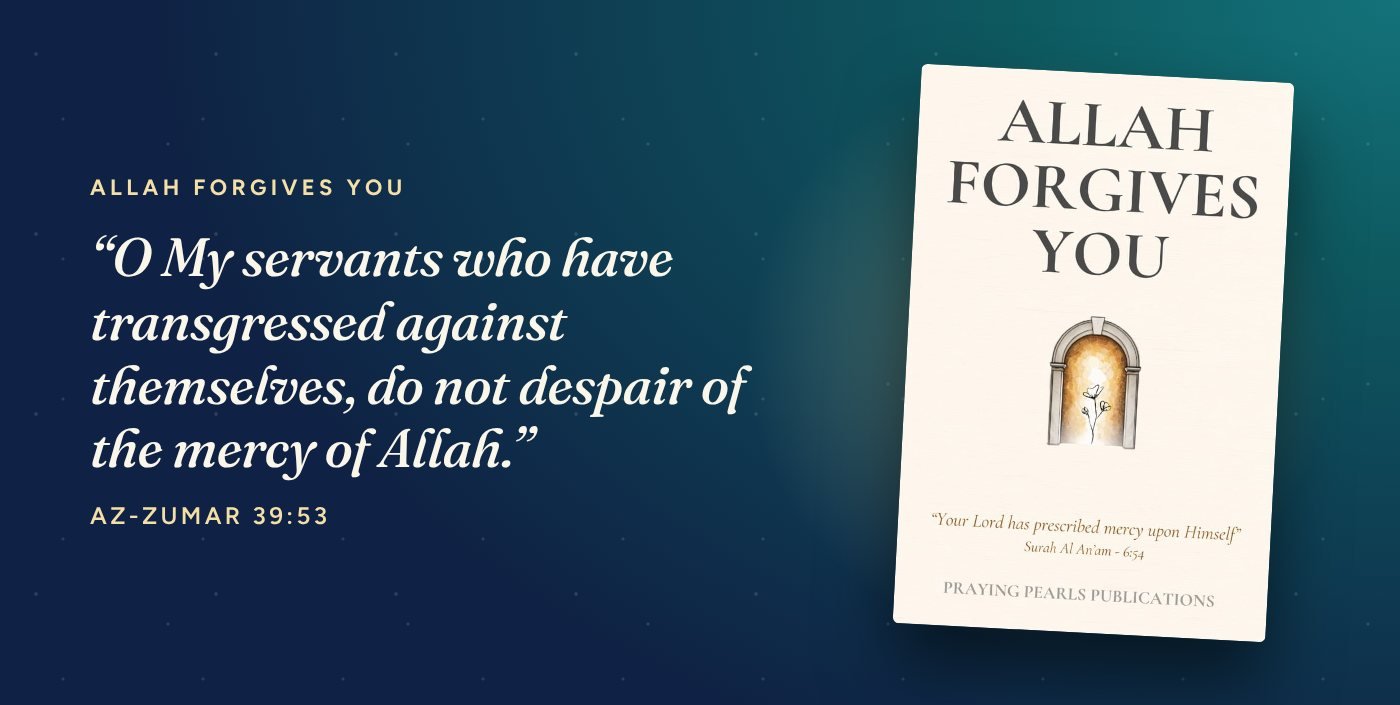
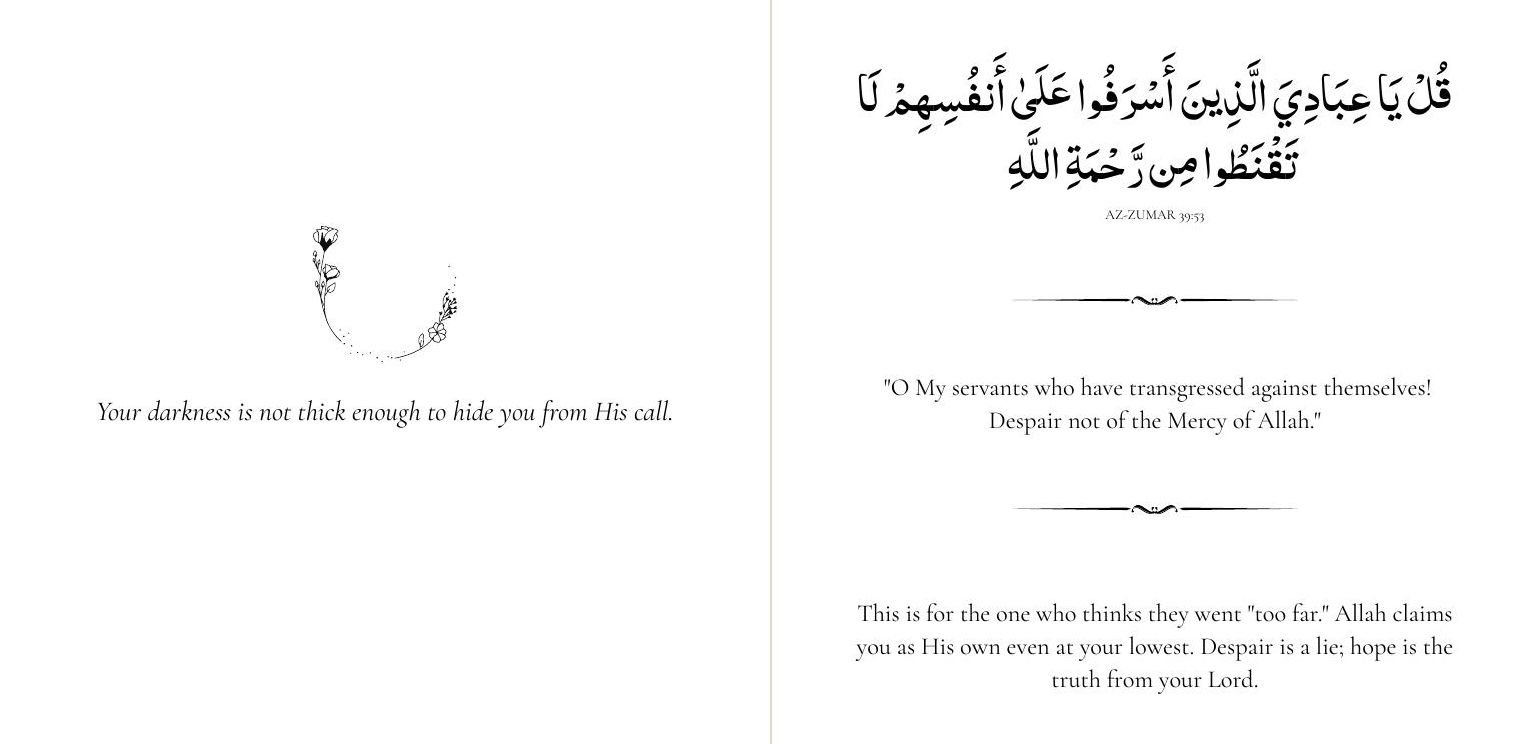
“Say, “O My servants who have transgressed against themselves [by sinning], do not despair of the mercy of Allah. Indeed, Allah forgives all sins. Indeed, it is He who is the Forgiving, the Merciful.””
Quran, Az-Zumar 39:53From Allah Forgives You: “This is for the one who thinks they went “too far.” Allah claims you as His own even at your lowest. Despair is a lie; hope is the truth from your Lord.”
What is Allah Forgives You?
Allah Forgives You is a companion book written, in the author’s words, “for those moments when your past feels louder than your prayers.” It opens with a simple dedication: “To the heart that feels it has gone too far. May you find that His mercy was already there, waiting for you to come home.”
It is built around forty verses of the Quran about mercy, forgiveness and return, grouped into four gates, each with a short reflection. It is not meant to be rushed. The first page says: “There are forty doors in this book. You do not need to knock. They are already open.”
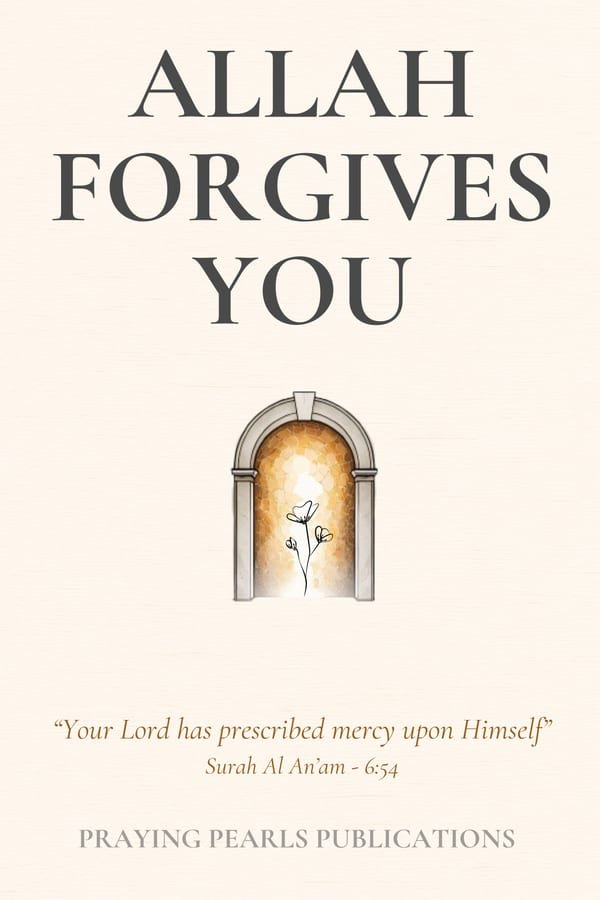 Allah Forgives You“Your Lord has prescribed mercy upon Himself.” Surah Al-An’am 6:54 · a book about returning to your Creator · Adults
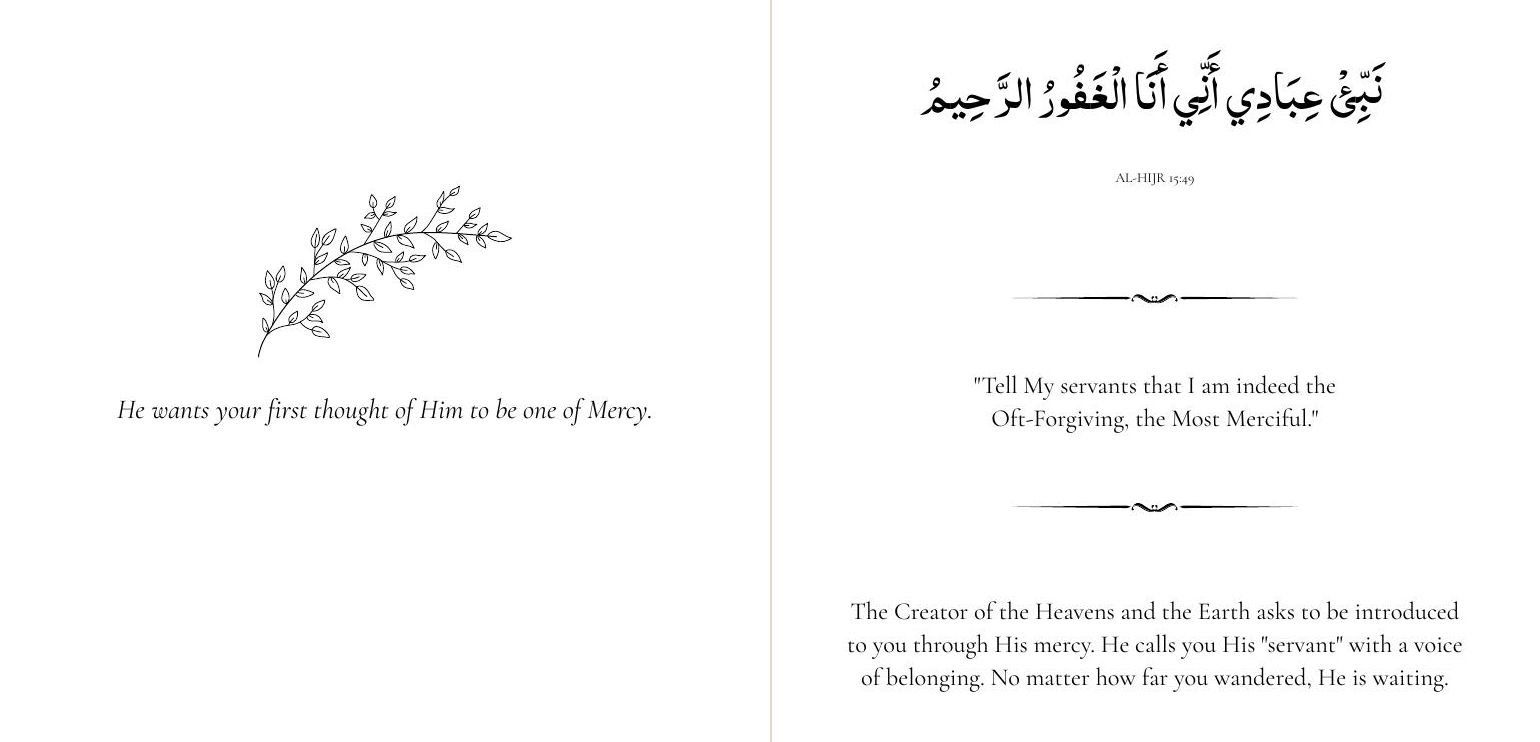
The four gates
The Gate of Returning: the soul that is tired of running
For the first steps back. These verses introduce Allah through His mercy, the sincere apology (“the shortest distance between you and peace”), and the astonishing promise that He replaces evil deeds with good ones.
“Except for those who repent… for them Allah will replace their evil deeds with good deeds.”
Quran, Al-Furqan 25:70“This is the ultimate generosity. Allah does not just wipe your slate clean; He takes the very mistakes you are ashamed of and turns them into rewards.”
The Gate of Vastness: the mercy that encompasses all things
For the heart that feels its sins have become a mountain. These verses show mercy as an atmosphere that already surrounds you, and Allah as near and responsive: you do not have to shout, He hears the whisper.
“Indeed, my Lord is near and responsive.”
Quran, Hud 11:61“You do not need a middleman. The moment the thought of repentance crosses your mind, He has already responded with the invitation to come closer.”
The Gate of Healing: the balm for the wounded heart
For the soul that carries scars it is tired of hiding. These verses call the Quran a healing, remind you that you were created weak (and He knows it), and tell you to “flee to Allah.”
“So flee to Allah.”
Quran, Adh-Dhariyat 51:50“The only place to find safety from your sins is to run toward Him. He is the only Judge who is also the Sanctuary.”
The Gate of Love: the beauty of being beloved again
For the one who has forgotten what it feels like to be cherished. These verses end the journey with love: Allah loves those who constantly repent, and He is the Forgiving, the Loving.
“Indeed, Allah loves those who are constantly repenting and loves those who purify themselves.”
Quran, Al-Baqarah 2:222“Allah does not just tolerate your return; He loves it. Every time you fall and choose to stand back up for Him, His love wraps around you.”
How to return, one gentle step at a time
Return is not a single dramatic moment. It is a series of small, honest steps. Here is a simple path:
- Stop. Pause the wrong, as far as you are able today. You do not have to fix everything at once.
- Name it to Allah. You do not need fancy words. “O Allah, I did this, and I am sorry.”
- Ask for forgiveness. Say “Astaghfirullah” slowly, ten times, and mean it.
- Repair what you can. If you harmed someone, make it right in a way that is safe and honest.
- Make a small resolve. Not a promise to be perfect, just one realistic step.
- Remember Him after you slip. The mark of a believer is not that they never fall, but that they remember Allah and turn back each time.
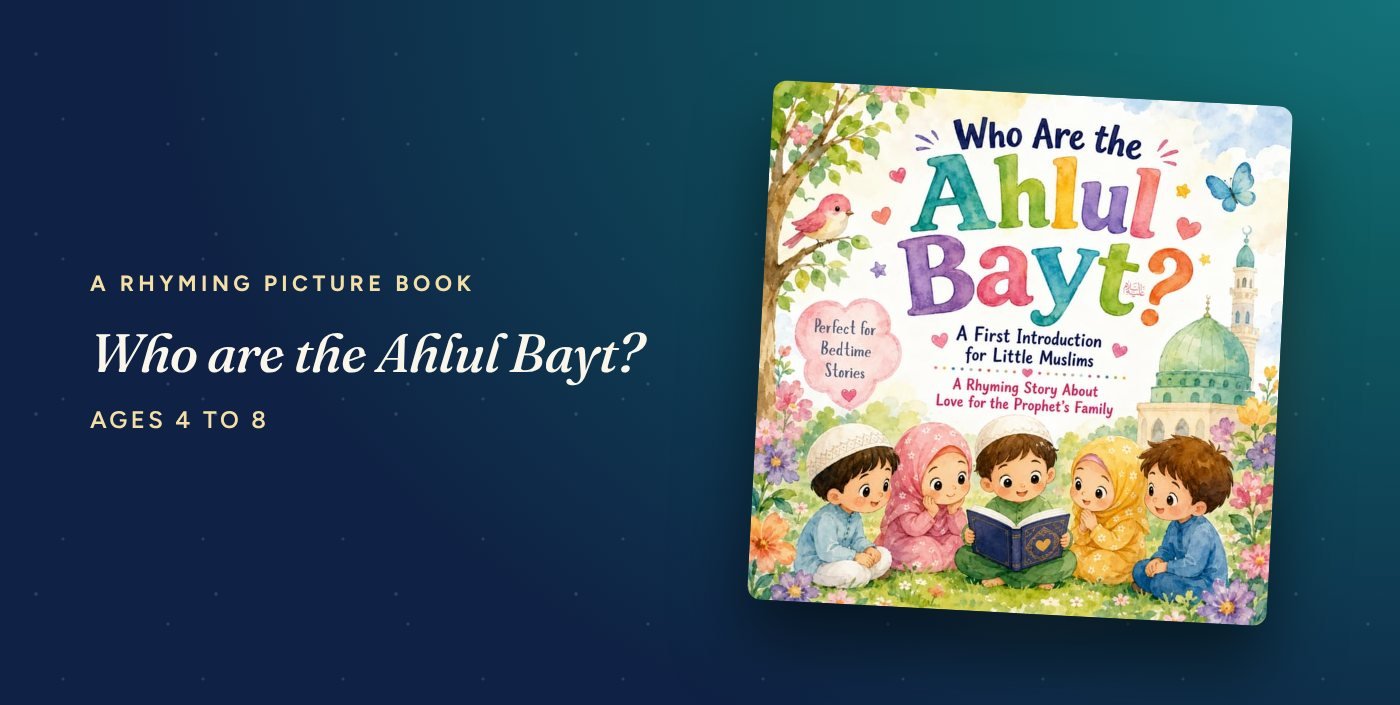
Many people find help in the beautiful supplications of the Ahlul Bayt. The prayers of Imam Zain ul Abideen (A.S), collected in the Sahifa-e-Sajjadiya, and Dua-e-Kumayl are among the most moving words of repentance ever spoken. See our guides to Dua-e-Kumayl and forgiveness in the Sahifa.
For parents: how to talk to children about mistakes
The way we handle our children’s mistakes teaches them what Allah is like. Here is what helps:
- Say “I forgive you” and mean it. Children who experience forgiveness at home find it easy to believe in Allah’s.
- Model your own return. “I got angry, and that was wrong. I’m going to say sorry and ask Allah to help me.”
- Teach “Astaghfirullah” as a doorway, not a punishment. It is how we get back to peace.
- Keep the story of mercy bigger than the story of sin. Almost every chapter of the Quran opens with His mercy: “In the name of Allah, the Most Kind, the Most Merciful.”
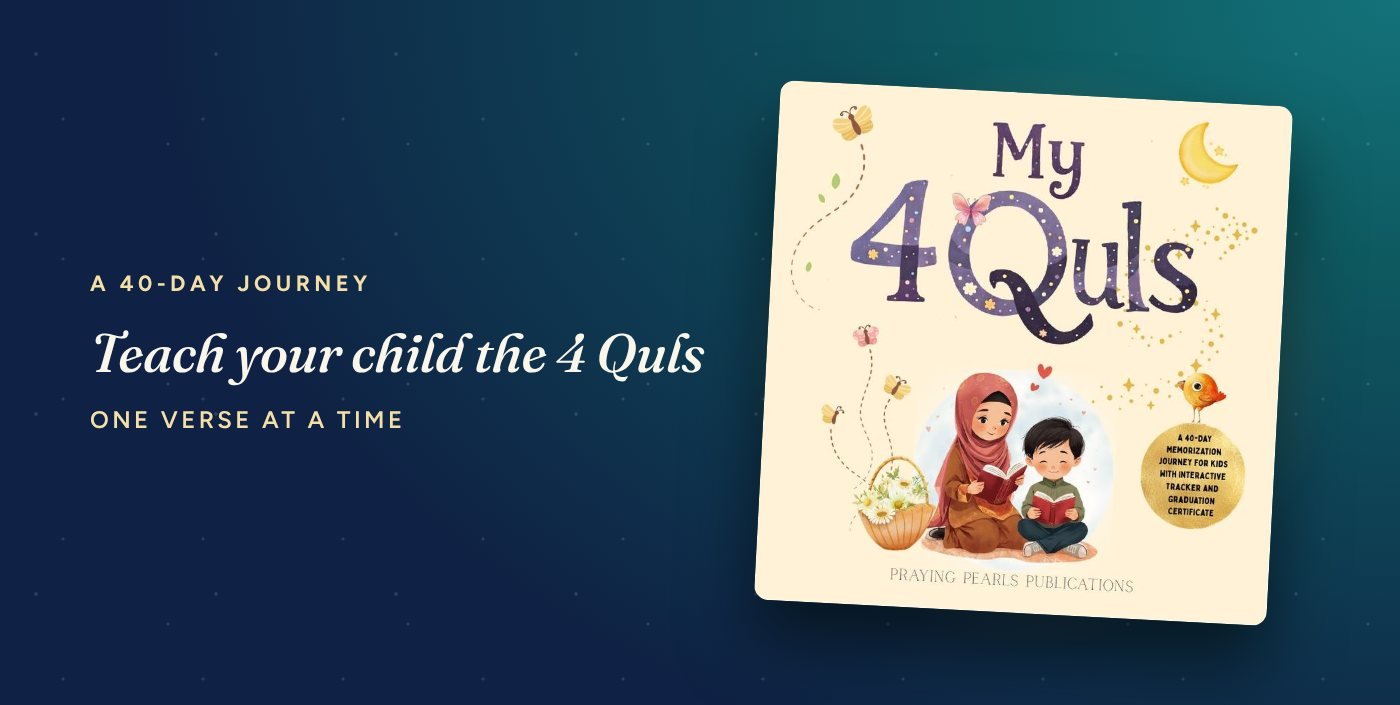
Read more in how to help your child fall in love with Allah.
A prayer for your soul
“May the verses you have found here become a sanctuary for your regret, and a place of peace whenever the past feels heavy. May the mercy of your Creator be your constant covering, His strength your healing, and His love your ultimate home. You are never too far.”
A Final Prayer for Your Soul, from Allah Forgives You
The author adds a note that stays with us: “You are not your mistakes. You are the soul that keeps trying, and that effort is beloved to Him.”
If you are also feeling anxious or alone, read the companion guide: When you feel lost, Allah is near.
Common questions
Who is Allah Forgives You for?
For anyone who feels burdened by past mistakes, “too broken” or “too far gone.” It is for the person who has spent nights wondering if they have run out of chances and wants to hear, from the Quran itself, that the door is open.
How is the book organised?
Four gates of ten verses each: the Gate of Returning (the soul tired of running), the Gate of Vastness (the mercy that encompasses all things), the Gate of Healing (the balm for the wounded heart) and the Gate of Love (the beauty of being beloved again).
Is it enough to just read, or do I need to do something about my mistakes?
Reading opens the heart. Repentance (tawbah) also includes stopping the wrong, regretting it, asking Allah’s forgiveness, putting right any harm to others, and resolving not to return to it. The book is the gentle beginning of that, not a replacement for it.
Is it too late for me?
The Quran says no: “Allah accepts repentance from His servants and pardons misdeeds” (42:25), and He is the “Perpetual Forgiver” (20:82). As long as you are alive and willing to turn back, the door is open.
Is it a substitute for professional help?
No. If guilt, shame or low mood is weighing on your daily life, please also speak to a doctor or counsellor. Faith and professional support work together.